If you are an HR professional in the UK hospitality industry, you already know that recruiting is a relentless balancing act. You are under constant pressure to fill rotas, manage rising operational costs, and find people who genuinely care about the guest experience. In the rush to get a new chef on the line or a bartender behind the bar by Friday night, health and safety checks can sometimes feel like bureaucratic red tape slowing you down.
But here is a candid reality check: bypassing health and safety during the recruitment and onboarding phase is one of the most expensive mistakes a hospitality business can make.
According to 2024/2025 data from the Health and Safety Executive (HSE), the accommodation and food services sector now has the highest rate of workplace injuries across all industries. The Labour Force Survey estimates that around 44,000 non-fatal incidents occurred in the sector, equating to 2,820 incidents per 100,000 workers, or roughly 1 in every 35 employees being hurt at work.
Furthermore, workplace injuries and ill health cost the UK economy an estimated £22.9 billion in 2023/24. A single injury case can cost a business upwards of £10,000 in lost productivity, sick pay, and potential legal fees.
Compliance isn't only about ticking a box, but also about protecting your people and your profit margins. Let’s break down how to seamlessly weave health and safety into your recruitment strategy.
Before diving into how to ensure health and safety during the recruitment process, we must ground our strategy in UK law. Ignorance is never a valid legal defence.
The HASWA is the bedrock of UK safety law. It states that employers have a legal duty to ensure, so far as is reasonably practicable, the health, safety, and welfare of all employees. This duty begins the moment you decide to hire someone.
These regulations require employers to carry out risk assessments. Crucially for HR, it requires you to consider an employee’s capabilities (including physical and mental health) when assigning tasks.
This is where recruitment gets tricky. Section 60 of the Equality Act generally prohibits employers from asking candidates questions about their health or disabilities before offering them a job, except in very specific circumstances (e.g., to determine if they need reasonable adjustments for the interview itself).
The Employment Rights Act Changes of 2025/26 is a massive update for public-facing hospitality roles. Employers now have a proactive duty to take "all reasonable steps" to prevent sexual harassment, and third-party harassment liability has returned. This means you are legally responsible for protecting your staff from abusive customers, making safety training and risk assessments for front-of-house staff more critical than ever.
Below, we’ve highlighted the different ways you can ensure health and safety compliance at each stage of your recruitment process.
Health and safety compliance starts before a candidate even applies. If your job description isn't honest about the physical and mental demands of the role, you are setting the candidate up to fail and your business up for liability.
Here’s what to do:
Interviews in hospitality usually focus on technical skills and charm. But a brilliant sous-chef who ignores food safety protocols is a liability, not an asset. You need to gauge a candidate's attitude toward safety.
The Right Questions to Ask
Instead of asking, "Do you follow safety rules?" (everyone says yes), use situational questions:
The goal is to identify candidates who:
Employees also have legal duties to take reasonable care of their own safety and that of others.
What to Listen For During Interviews: Look for candidates who take ownership. You want people who will stop and clean up a spill immediately, rather than stepping over it because "it isn't their section."
Certain hospitality roles require specific training. Some common examples include:
Many hospitality businesses require Level 2 Food Hygiene certification for staff handling food. HR teams should verify certificates before employment begins.
Once you have made a conditional job offer, the restrictions of the Equality Act loosen, and you can legally ask relevant health questions to ensure the candidate can work safely.
The Occupational Health Questionnaire
Use a standardised, post-offer health questionnaire. The goal is not to find reasons to withdraw the offer, but to identify if you need to make reasonable adjustments.
The "Day One" Safety Induction
A startling number of hospitality accidents happen in an employee's first month. They are eager to please, rushing, and unfamiliar with your specific layout.
Do not let a new hire start a shift without completing:
A proper hospitality induction should cover:
Training should occur during working hours and be repeated periodically if risks change.
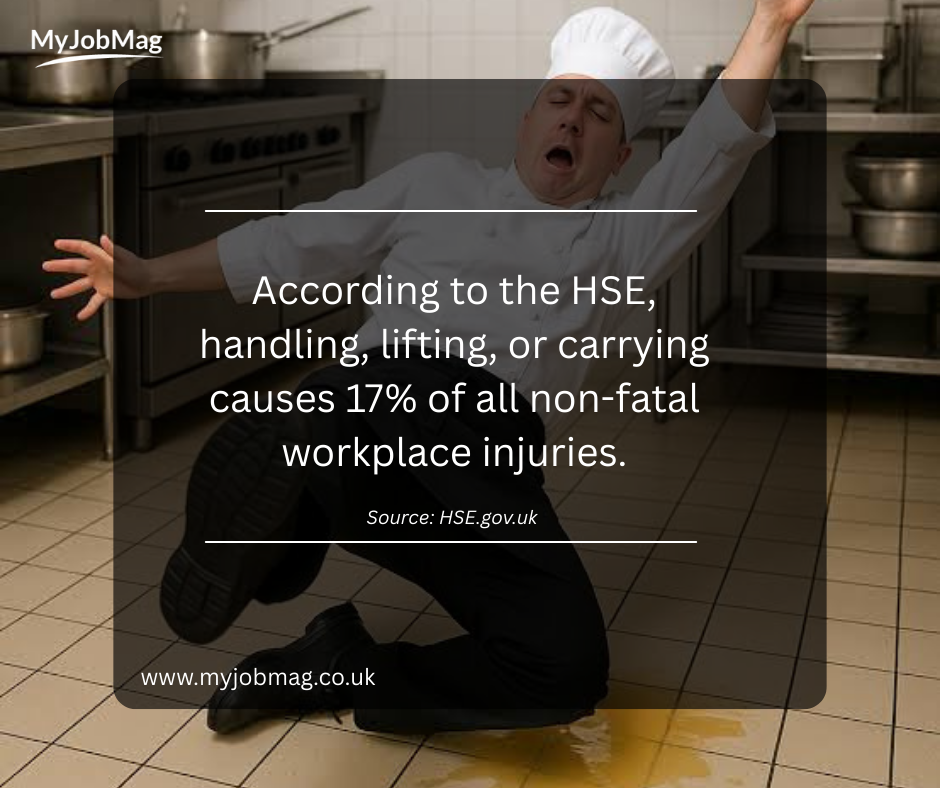
Percentage of Non-Fatal Injuries at Work in Britain
Many workplace accidents occur during an employee’s first weeks on the job. HR teams should ensure that:
Supervision ensures staff apply training correctly and follow workplace protocols.
Documentation is essential for compliance. Employers must keep records such as:
Maintaining these records demonstrates due diligence during inspections or investigations. If an accident occurs, the ability to prove that training took place can be crucial in defending against claims.
When we say "health and safety," we usually only picture wet floor signs and fire extinguishers. But the UK is also facing a psychological safety crisis.
In the 2024/25 HSE report, work-related stress, depression, or anxiety accounted for 52% of all work-related ill health, affecting an estimated 964,000 workers across the UK. Hospitality, with its long hours, high-pressure environments, and customer demands, is a hotspot for burnout.
HR Strategies for Mental Safety:
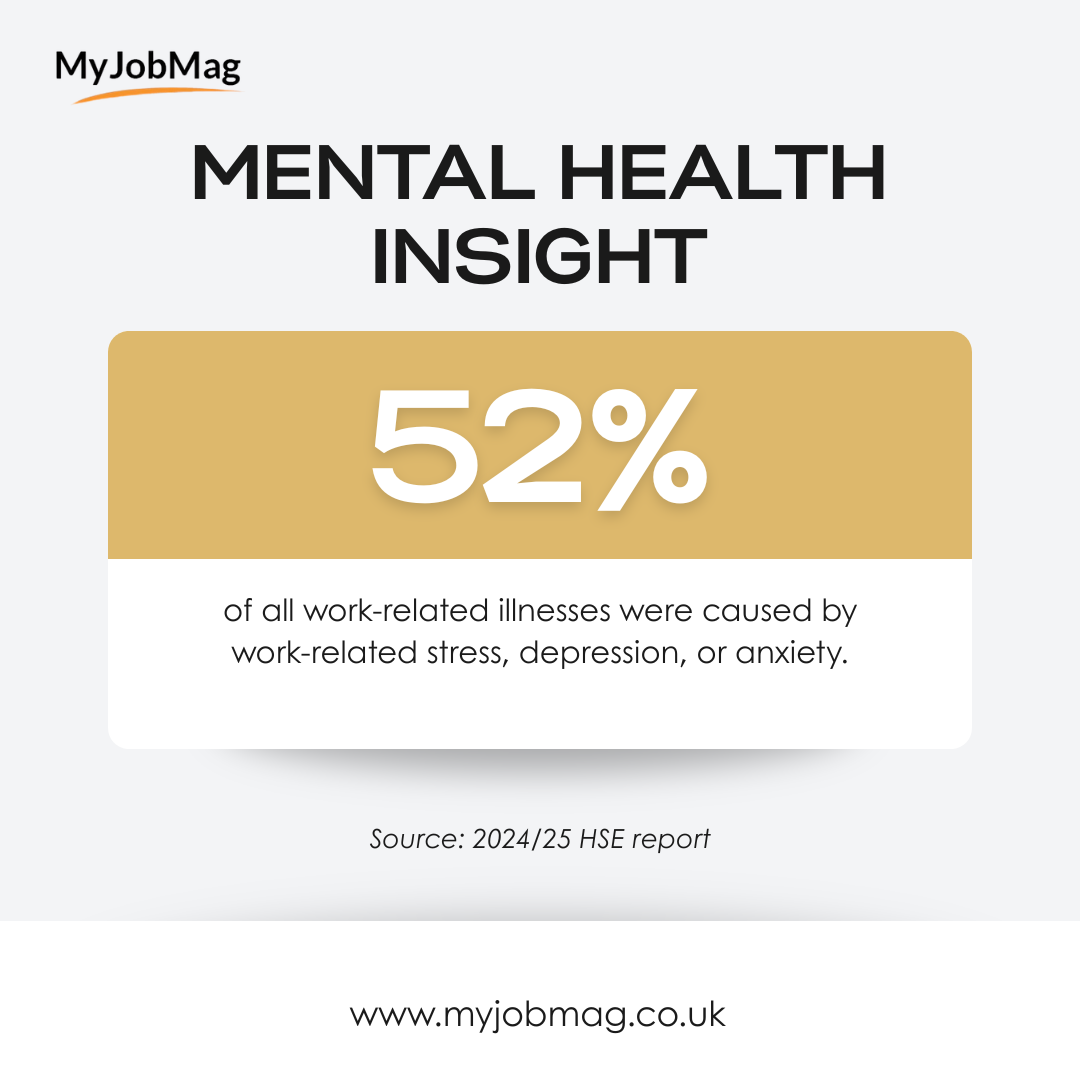
The state of mental health of UK workers
Compliance is not just about paperwork. Hospitality organisations that prioritise safety during recruitment tend to experience:
Recruitment messaging should communicate that safety is part of the company culture.
Example employer branding message:
“We prioritise the safety and well-being of our teams and guests. Every employee receives comprehensive safety training and support.”
When recruiting for new or evolving roles, HR should work with operations teams to review risk assessments. Employers must identify workplace hazards and implement measures to control them.
Examples include:
Risk assessments ensure new hires are placed in safe environments.
Hospitality HR teams should avoid these common compliance errors:
It is easy to look at health and safety as a dry compliance exercise, but the reality is deeply human. When you integrate robust safety checks and training into your recruitment process, you send a powerful psychological message to your new hires: We value your well-being over our bottom line.
In an industry plagued by high turnover, staff who feel physically and mentally protected are the ones who stay. So, compliance doesn't just keep you out of court. It builds the foundation of a loyal, high-performing team.

Hello, we are a team of experienced recruiters and we are happy to help you recruit your next team member.
07985672434
Leave a Comment