The UK hospitality industry is one of the country's most vital economic engines and also one of its most complex when it comes to pay. With 3.5 million people employed across the sector, making it the third-largest employer in the UK, and an annual economic contribution of £93 billion, hospitality underpins communities from Aberdeen to Brighton, from Newcastle to Exeter. Yet despite its size and significance, it remains the lowest-paying sector in the UK economy, according to data from the Office for National Statistics (ONS).
Understanding what hospitality workers actually earn, and how that differs by city, matters enormously, both for job seekers making career decisions and for employers competing for talent in an increasingly tight labour market. According to the UK's Largest Hospitality Salary Survey 2025, average sector salaries fell by 10.3% in 2025 compared to 2024, a significant shift that has put pressure on recruitment, retention, and workers' quality of life.
This article takes a comprehensive look at hospitality salaries across 24 UK cities, drawing on data from the ONS, Indeed, Glassdoor, and industry-specific surveys. If you are benchmarking your pay scales, here's what you need to know.
Before diving city by city, it's worth grounding the discussion in national data.
According to the ONS Annual Survey of Hours and Earnings (ASHE), April 2025, full-time workers in the hospitality sector had a median hourly pay (excluding overtime) of £14.04, compared to £19.67 for all full-time workers across the UK. That gap of nearly £5.63 per hour underlines the sector's persistent pay challenge.
In annualised terms, the UK hospitality sector's median salary stands at approximately £27,100 in 2025, well below the UK-wide full-time median of £39,039 reported for April 2025 by the ONS. The sector's reliance on minimum wage work is stark: according to the Low Pay Commission, 21.6% of hospitality workers were paid the National Living Wage in 2023/24, which is the highest proportion of any major sector.
Breaking this down further, the 2025 Access Group Salary Survey reveals a widening divide:
Meanwhile, 46% of all hospitality workers now earn under £30,000, up from 37% in 2024 and 30% in 2023.
London remains the best-paying city in the UK for hospitality, with a median salary of approximately £30,100, roughly 11% above the national hospitality average. However, London's higher cost of living means that the real-terms advantage is often narrowed significantly in practice.
Several variables determine how much a hospitality worker earns, regardless of city. Some of these variables include:
A hotel general manager in Edinburgh earns far more than a waiting staff member in the same city. Seniority is one of the biggest salary drivers in the sector.
Cities with strong year-round visitor economies, like Bath, York, Oxford, Edinburgh, and London, tend to sustain more premium hospitality venues, pushing average pay upward, particularly at the management level.
Cities with higher costs of living often have nominally higher wages, though real-terms purchasing power may be similar to or lower than in cheaper locations.
Independent venues, care home catering, and contract catering operations often offer different packages than hotel chains or fine dining groups.
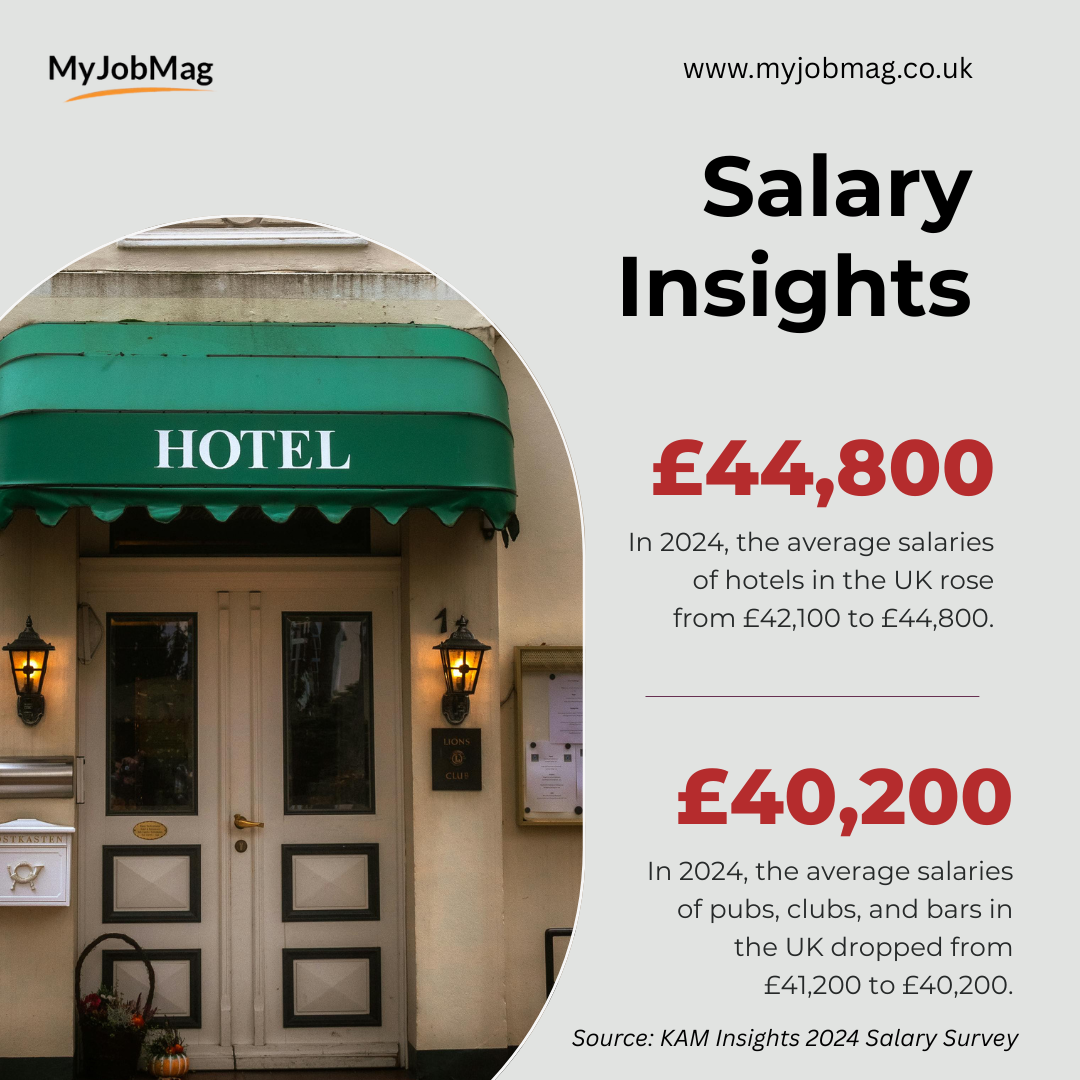
Hotels tend to pay more than casual dining or pubs. According to the KAM Insights 2024 Salary Survey, hotel average salaries rose to £44,800, while pubs, clubs and bars fell to £40,200.
Salary Insights for Hotel Jobs in the UK
The table below provides a rundown of the major cities in the UK and the average salary ranges for hospitality team managers and managers in each city.
|
City |
Hospitality Team Member Salary Range |
Restaurant Manager Salary Range |
Hotel Manager Salary Range |
|
Arbedeen |
£19,000 - £25,000 |
£26,000 - £38,000 |
£23,000 - £31,000 |
|
Bath |
£15,000 - £24,000 |
£25,000 - £32,000 |
£21,000 - £30,000 |
|
Belfast |
£17,000 - £23,000 |
£25,000 - £34,000 |
£38,000 - £42,000 |
|
Brighton |
£18,000 - £24,000 |
£24,000 - £33,000 |
£28,000 - £47,000 |
|
Birmingham |
£18,000 - £28,000 |
£25,000 - £32,000. |
£25,000 - £33,084 |
|
Bristol |
£17,000 - £25,000 |
£25,000 - £32,000 |
£28,000 - £37,000 |
|
Cambridge |
£17,000 - £23,000 |
£23,000 - £35,000 |
£26,000 - £42,000 |
|
Cardiff |
£15,000 - £21,000 |
£24,000 - £35,000 |
£29,000 - £45,000 |
|
Dundee |
£17,000 - £24,000 |
£23,000 - £32,000 |
£24,000 - £41,000 |
|
Durham |
£16,000 - £22,000 |
£22,000 - £30,000 |
£25,000 - £40,000 |
|
Edinburgh |
£18,000 - £25,000 |
£30,000 - £41,795 |
£30,000 - £42,000 |
|
Exeter |
£18,000 - £27,000 |
£25,000 - £33,000 |
£27,000 - £40,000 |
|
Glasgow |
£15,000 - £21,000 |
£27,000 - £37,000, |
£29,000 - £40,000 |
|
Leeds |
£18,000 - £24,000 |
£28,000 - £38,000 |
£28,000 - £35,000 |
|
Liverpool |
£16,000 - £24,000 |
£24,000 - £34,000 |
£25,000 - £35,000 |
|
London |
£19,000 - £24,000 |
£35,000 - £50,000 |
£35,000 - £40,891 |
|
Manchester |
£18,000 - £25,000 |
£28,000 - £40,000, |
£27,000 - £37,872 |
|
Newcastle |
£16,000 - £22,000 |
£25,000 - £35,000 |
£25,000 - £36,000 |
|
Norwich |
£19,000 - £25,000 |
£24,000 - £35,000 |
£25,000 - £34,000 |
|
Nottingham |
£18,000 - £25,000 |
£23,000 - £30,000 |
£21,000 - £33,000 |
|
Oxford |
£22,000 - £30,000 |
£24,000-£32,000 |
£25,000 - £40,000 |
|
Portsmouth |
£18,000 - £24,000 |
£22,000 - £29,000 |
£23,000 - £34,000 |
|
Sheffield |
£17,000 - £24,000 |
£23,000 - £31,000 |
£28,000 - £37,000 |
|
York |
£17,000 - £23,000 |
£23,000 - £30,000 |
£26,000-£37,000 |
Sources: Indeed UK, Glassdoor UK, Qamarero restaurant manager salary guide, and ONS ASHE 2025 regional data. All figures are approximate ranges for the base salaries of full-time roles.
Interesting Read: How to Ensure Compliance with Health and Safety During Hospitality Recruitment
Let's look at the city-by-city breakdown, exploring the salary ranges and what they mean for your HR strategy. Note that the figures indicated here only reflect base pay. The total salary package may include overtime, bonuses, and commissions.
Average hospitality team member salary range: £19,000 - £24,000 (Glassdoor)
London sits at the top of every UK hospitality pay table, but the picture is more nuanced than headline figures suggest. Glassdoor data places the average hospitality salary in London at £23,000 per year, with a range of £19,000 to £27,000. For management roles, the gap widens considerably: head chefs in London average £40,600, and restaurant managers typically earn between £35,000 and £50,000 per year, according to industry data compiled by Qamarero.
Hotel managers in London average around £40,891 per year on Indeed. The city's vast hospitality ecosystem, from Michelin-starred restaurants in Mayfair to budget hotels in Stratford, creates exceptional variation within London itself.
For entry-level positions like waiting staff, bartenders, and housekeeping, salaries often hover at or just above the National Living Wage (£12.21/hr in 2024/25). Tips can supplement income meaningfully in central London, but are unpredictable and increasingly replaced by optional service charges.
Average hospitality team member salary range: ~£18,000–£25,000 (Glassdoor)
Manchester is the UK's second-largest hospitality market by volume, with a food and drink scene that has grown significantly over the past decade. Restaurant managers in Manchester typically earn £28,000–£40,000, and hotel managers average £37,872 per year, notably higher than in many comparable English cities.
The Northern Quarter, Spinningfields, and the Deansgate area are home to Manchester's highest-paying hospitality venues, where experienced chefs, sommeliers, and general managers can command salaries at the upper end of national benchmarks. The city's strong student population means there's a large supply of part-time and entry-level workers, which keeps base wages relatively compressed.
Average hospitality team member salary range: ~£18,000–£28,000 (Glassdoor)
Birmingham's hospitality sector is dominated by a vibrant restaurant and casual dining scene, with the Jewellery Quarter, Brindleyplace, and Digbeth all offering a range of venues. Hotel managers in Birmingham average £33,084 per year, while restaurant managers typically earn £25,000–£32,000. Front-of-house and kitchen staff typically earn between £18,000 and £23,000.
The 2022 Commonwealth Games boosted Birmingham's hospitality infrastructure significantly, and the city continues to attract investment in mid-range and luxury hotel projects. Check-a-Salary identifies Birmingham as among the higher-paying cities outside London for hospitality and leisure roles, though it lags significantly behind Edinburgh and Manchester for senior management pay.
Average hospitality team member salary: ~£18,000–£25,000 (Glassdoor)
Edinburgh is Scotland's premium hospitality destination, and its salaries reflect that status. Hotel managers in Edinburgh average £41,795 per year at the management level, driven by the city's concentration of luxury hotels, five-star restaurants, and the lucrative August Festival and Hogmanay events calendar. Restaurant managers typically earn £30,000–£42,000.
Edinburgh's hospitality sector is heavily seasonal, which can make annualised figures misleading. Workers in festival-related roles can earn premium rates for short periods, while the off-peak winter months often bring fewer hours and more job insecurity for casual staff. The city also benefits from Scotland's historically strong hospitality training infrastructure and culinary schools.
Edinburgh's premium pay at the management level doesn't always translate to better pay for entry-level staff, where wages are comparable to those in other Scottish cities. Those with formal qualifications tend to benefit most from Edinburgh's premium market.
Average hospitality team member salary: ~£15,000–£21,000 (Glassdoor)
Glasgow has one of the UK's most diverse and fast-growing hospitality scenes, particularly in the Merchant City and West End. Restaurant managers typically earn £27,000–£37,000, while hospitality managers more broadly average around £33,361 for experienced (7–9 years) professionals, according to Indeed. A hotel manager earns between £29,000 and £40,000.
Glasgow pays around less than Edinburgh for comparable senior hospitality roles, largely due to a smaller luxury hotel base and less intense tourism income. However, Glasgow's thriving independent restaurant scene and growing events economy (including SEC Centre and OVO Hydro venues) create strong demand for experienced hospitality staff at competitive wages.
Average hospitality team member salary: ~£17,000–£23,000 (Glassdoor)
York is one of the UK's most tourism-dependent cities, drawing millions of visitors each year to its medieval walls, Viking heritage, and vibrant food scene. This steady visitor footfall sustains a large hospitality sector relative to the city's population, supporting demand for front-of-house, kitchen, and hotel staff year-round, though there is a distinct summer peak.
Hotel management roles in York typically sit in the £26,000–£37,000 range, while that of restaurant management sits between £23,000–£30,000, broadly in line with other historic tourist cities. Entry-level wages are heavily influenced by proximity to the National Living Wage, particularly in family-run guesthouses and smaller independent restaurants. The York hospitality market has benefited from the rise in domestic tourism following Brexit and the pandemic, which has partially offset the loss of some international visitor revenue.
Average hospitality team member salary: ~£15,000–£24,000 (Glassdoor)
Bath's hospitality sector is shaped by its status as a UNESCO World Heritage City and one of England's most visited destinations. The city's concentration of boutique hotels, spa retreats, and fine dining restaurants supports higher-than-average wages for experienced hospitality professionals. Restaurant management roles typically range from £25,000 to £32,000 for senior positions, particularly at luxury properties near the Roman Baths or on Great Pulteney Street. Hotel management roles sit between £21,000 and £30,000.
Entry-level roles are, however, strongly clustered around minimum wage, particularly in seasonal visitor attractions and cafés along the tourist trail. Bath's proximity to Bristol (roughly 15 miles) means many hospitality workers commute between the two cities for better-paying opportunities, while some employers in Bath supplement base wages with accommodation allowances, given the city's elevated housing costs.
Average hospitality salary: ~£18,000–£24,000 (Glassdoor)
Brighton's hospitality sector is characterised by its bohemian, independent spirit. The city has one of the highest concentrations of independent restaurants, bars, and cafés per capita in England. This diversity creates a wide salary band: some high-end seafront and North Laine venues pay competitive wages for skilled staff, while the large number of small independents often pay at or near minimum wage.
Restaurant manager salaries in Brighton typically range from £24,000 to £33,000, with higher figures available at premium hotels (between £28,000 and £47,000) on the seafront or at well-established fine dining restaurants. Brighton's proximity to London (around 55 minutes by train) means it competes for hospitality talent against the capital, which creates moderate upward pressure on wages, particularly for experienced chefs, baristas, and front-of-house supervisors.
Seasonality is a factor, as the summer months drive demand sharply upward, and many Brighton hospitality businesses rely on temporary and seasonal staff. This can inflate average wages in summer but compress annual earnings for those on zero-hours contracts.
Average hospitality team member salary: ~£17,000–£23,000 (Glassdoor)
Belfast has undergone a remarkable hospitality transformation over the past two decades, with the Cathedral Quarter, Titanic Quarter, and St Anne's Square becoming internationally recognised dining and drinking destinations. Restaurant managers typically earn £25,000–£34,000, while hotel management roles can reach £38,000–£42,000 at luxury properties.
Belfast benefits from significantly lower living costs than most comparable UK cities, which means the real-terms purchasing power of hospitality salaries is considerably better than headline figures suggest. Northern Ireland's hospitality sector has seen strong investment since the peace dividend and, more recently, from Game of Thrones tourism, which has sustained demand for experienced tourism and hospitality professionals.
According to the ONS ASHE data, Northern Ireland and Wales consistently have the lowest overall earnings in the UK, reflecting a smaller high-value private sector. However, within hospitality specifically, Belfast's premium properties increasingly pay competitive wages to attract and retain talent from across Ireland.
Read Also: 10 Strategies to Retain Part-Time and Flexible Workers in Hospitality
Average hospitality team member salary: ~£17,000–£25,000 (Glassdoor)
Bristol has one of the UK's most admired food and drink scenes, with Clifton, Stokes Croft, and the Harbourside home to a huge range of independent restaurants, wine bars, and street food markets. Salaries in Bristol's hospitality sector sit above the national hospitality average and are broadly comparable to Manchester for equivalent roles.
Hotel management in Bristol can reach up to 37,000, while restaurant managers typically earn between £25,000 and £32,000. Bristol's strong graduate population and its status as a tech and creative hub create demand for high-quality casual dining and experiential hospitality experiences, which in turn support above-average wages for front-of-house supervisors and experienced chefs.
Bristol also benefits from its relative proximity to Bath, meaning skilled workers can access two distinct markets. The city's vibrant catering and events sector, particularly around the Harbourside venues and convention centres, creates year-round demand at the management level.
Average hospitality team member salary: ~£15,000–£21,000 (Glassdoor)
Cardiff is Wales's primary hospitality hub, with a growing food and drink scene centred on the city centre, Cardiff Bay, and the Pontcanna area. Restaurant managers typically earn £24,000–£35,000, while the broader hospitality market reflects Wales's lower overall earnings profile. Hotel managers earn between £29,000 and £45,000 in this city.
Major hospitality employers in Cardiff include the Principality Stadium (which drives significant event hospitality demand on match days), Cardiff Castle venues, and a growing number of boutique hotels and restaurant groups.
Average hospitality team member salary: ~£18,000–£24,000 (Glassdoor)
Leeds is the North's second-largest hospitality market after Manchester, with a food and drink scene anchored in the city centre, the Calls district, and the growing South Bank. Restaurant managers earn broadly comparable wages to those in Manchester, approximately £28,000–£38,000, while hotel management and senior kitchen roles increasingly compete with Manchester salaries (up to £35,000 per year) as Leeds continues to attract investment from national and international hospitality groups.
Leeds's large student population (three universities) sustains a vibrant late-night economy and drives demand for bar and restaurant staff, though this also creates downward pressure on wages at the entry level. The city's growing reputation as a UK tech hub is also drawing in corporate catering and events hospitality, which tend to pay above average for the sector
Average hospitality team member salary: ~£16,000–£24,000 (Glassdoor)
Liverpool's hospitality scene has undergone significant regeneration since the city's designation as European Capital of Culture in 2008. The Albert Dock, Baltic Triangle, and Bold Street are home to some of the UK's most celebrated independent restaurants and bars. Restaurant managers typically earn £24,000–£34,000, while hotel management salaries are slightly higher on average (£25,000–£35,000).
Liverpool's strong tourism economy, driven by Beatles heritage, football tourism (Everton and Liverpool FC), and the growing Arena and Echo venues, sustains year-round demand for experienced hospitality staff. However, the city's hospitality sector has faced challenges from a high closure rate among independent venues in recent years, partly attributable to rising business rates and wage costs.
Average hospitality team member salary: ~£16,000–£22,000 (Glassdoor)
Newcastle's Quayside, the Ouseburn Valley, and the Grey Street corridor are home to an increasingly sophisticated hospitality scene that has moved well beyond its traditional reputation as a nightlife destination. Restaurant manager salaries range from £25,000–£35,000, while experienced chefs and hotel managers at premium Tyneside properties can earn up to £40,000. Hotel managers' salaries sit between £25,000 and £36,000.
Newcastle is one of the few major UK cities where entry-level hospitality wages, typically at or just above the National Living Wage, go considerably further due to low housing costs. The North East as a region has some of the UK's lowest average earnings overall, but this also means living costs are proportionally lower, making real-terms hospitality pay more competitive than it appears.
Average hospitality team member salary: ~£18,000–£25,000 (Glassdoor)
Nottingham's hospitality sector is centred around the Old Market Square, Hockley, and the Lace Market, with a strong mix of independent restaurants, bars and cocktail venues, and student-facing operators. The city's two large universities (Nottingham and Nottingham Trent) provide a large pool of part-time workers, keeping entry-level wages competitive but compressed.
Restaurant manager salaries in Nottingham typically fall in the £23,000–£30,000 range, slightly below equivalent roles in Birmingham and Leeds. Hotel management at premium properties, including the Lace Market Hotel and a number of national chain properties, can reach the low-to-mid £30,000s.
Average hospitality team member salary: ~£22,000–£30,000 (Glassdoor)
Oxford is one of the UK's most premium hospitality markets for a city of its size, driven by the University's events, alumni networks, and the steady flow of international academic visitors. College banqueting, conference hospitality, and a dense concentration of high-end restaurants and hotels push management salaries toward the upper end of regional benchmarks.
Hotel managers in Oxford can earn up to £41,000 at a senior level, while restaurant managers typically earn £24,000–£32,000. The university's catering operations are among the largest single hospitality employers in the city, offering structured pay scales and good benefits packages.
Oxford's housing costs are extremely high (second only to London for many housing types in the South East), which means nominal salary advantages can be eroded quickly. However, for those who can secure managed accommodation or company housing (often available with senior roles at university or hotel groups), Oxford remains a genuinely competitive market.
Average hospitality team member salary: ~£17,000–£24,000 (Glassdoor)
Sheffield's food and drink scene has developed rapidly over the last decade, with the Kelham Island area, the Moor Market, and Ecclesall Road establishing the city as a compelling culinary destination within the North. However, salaries broadly reflect the wider South Yorkshire earnings profile, sitting below Manchester and Leeds for comparable roles.
Restaurant managers typically earn £23,000–£31,000, while hotel management in Sheffield's more limited premium hotel market reaches up to £37,000. Sheffield's independent hospitality scene is vibrant but dominated by small operators with limited capacity for high base salaries, though tips and profit-sharing arrangements can supplement overall compensation in well-performing venues.
Average hospitality team member salary: ~£18,000–£24,000 (Glassdoor)
Portsmouth's hospitality sector is shaped by its maritime heritage, large naval base, and the Gunwharf Quays retail and leisure complex. The seasonal coastal tourism economy drives strong summer demand for front-of-house and hotel staff, while the presence of a large permanent residential population sustains year-round hospitality businesses.
Restaurant manager salaries typically fall in the £22,000–£29,000 range, while hotel management at the limited luxury end of the market can approach £34,000. Portsmouth's proximity to Southampton (around 20 miles) means some hospitality workers commute between the two cities for better-paying opportunities, particularly in the cruise and luxury yacht sector anchored in Southampton's docks.
Average hospitality team member salary: ~£18,000–£27,000 (Glassdoor)
Exeter is Devon's primary commercial and cultural hub, with a hospitality sector that combines year-round local demand with significant tourism from the surrounding Dartmoor and Jurassic Coast regions. The city's cathedral, historic city walls, and proximity to the South West's famous food producers support a quality independent restaurant scene.
Restaurant hotel management salaries in Exeter typically range from £25,000 to £33,000, and hotel management salaries range from £27,000 to £40,000, while entry-level hospitality wages are broadly at or near minimum wage. Exeter's growing tech and professional services economy supports a degree of corporate hospitality demand, which creates better-paying opportunities for events and catering management.
Average hospitality team member salary: ~£19,000–£25,000 (Glassdoor)
Aberdeen's hospitality market has historically been influenced by the city's oil and gas sector, which drove demand for premium corporate hospitality, executive dining, and high-end hotels. While the energy sector has contracted in recent years, Aberdeen still supports a relatively well-paid hospitality market compared to most Scottish cities outside Edinburgh.
Hotel management in Aberdeen can reach £26,000–£38,000, while restaurant management typically falls in the £23,000–£31,000 range.
Average hospitality team member salary: ~£16,000–£22,000 (Glassdoor)
Durham is a small cathedral city with a hospitality economy powered almost entirely by tourism (Durham Cathedral and Castle are UNESCO World Heritage sites), the University of Durham's collegiate dining culture, and a modest but growing independent restaurant scene in the Market Place and Elvet area.
Restaurant management salaries typically range from £22,000 to £30,000, while hotel management at the city's limited number of premium properties can range from £25,000 to £40,000. The University is the single most significant employer in the city's premium catering market, operating an extensive collegiate dining system with structured hospitality roles.
Average hospitality team member salary: ~£19,000–£25,000 (Glassdoor)
Norwich has one of the most vibrant independent food and drink scenes in Eastern England, with the Norwich Lanes area and Tombland hosting a concentration of independent restaurants, craft beer bars, and artisan food businesses. The city's relative isolation (no direct rail link to London until recently) has supported the development of a strong local hospitality identity.
Restaurant manager salaries in Norwich typically range from £24,000 to £35,000, while hotel management at the city's growing portfolio of boutique and national chain hotels range from £25,000 to £34,000.
Average hospitality team member salary: ~£17,000–£23,000 (Glassdoor)
Cambridge's hospitality sector shares many characteristics with Oxford, anchored by the University, strong international visitor traffic, and a significant corporate and academic events market. However, Cambridge's tech cluster (the 'Silicon Fen') also drives corporate hospitality and contract catering demand from large employers like AstraZeneca, ARM, and Microsoft.
Hotel management salaries in Cambridge typically fall in the £26,000–£42,000 range, while restaurant management salaries fall in the £23,000–£35,000 range. The high cost of housing in Cambridge (driven by the tech sector's premium on property) erodes salary advantages somewhat, though many premium hospitality employers offer accommodation support.
Average hospitality team member salary: ~£17,000–£24,000 (Glassdoor)
Dundee's hospitality sector has benefited significantly from the 2018 opening of the V&A Dundee museum, which has anchored a broader regeneration of the city's waterfront and food and drink scene. The city's Michelin development (the car tyre manufacturer has a long history in the city) and its growing cultural profile have brought more premium hospitality investment to a market previously dominated by mid-range and budget operators.
Restaurant manager salaries in Dundee typically range from £23,000 to £32,000, while hotel management salaries range from £24,000 to £41,000 at the city's newer hotel properties. Dundee pays broadly in line with other mid-tier Scottish cities, sitting below Edinburgh but above the most remote parts of Scotland.
When it comes to retention, salary is just a piece of the puzzle. If your business can’t afford to pay competitive salaries, you should explore flexible working.
Retention Beyond Salary Increase
Benchmarking your salaries against these city averages is step one. But here is a reality check for HRs: You cannot out-pay a toxic culture or a bad rota.
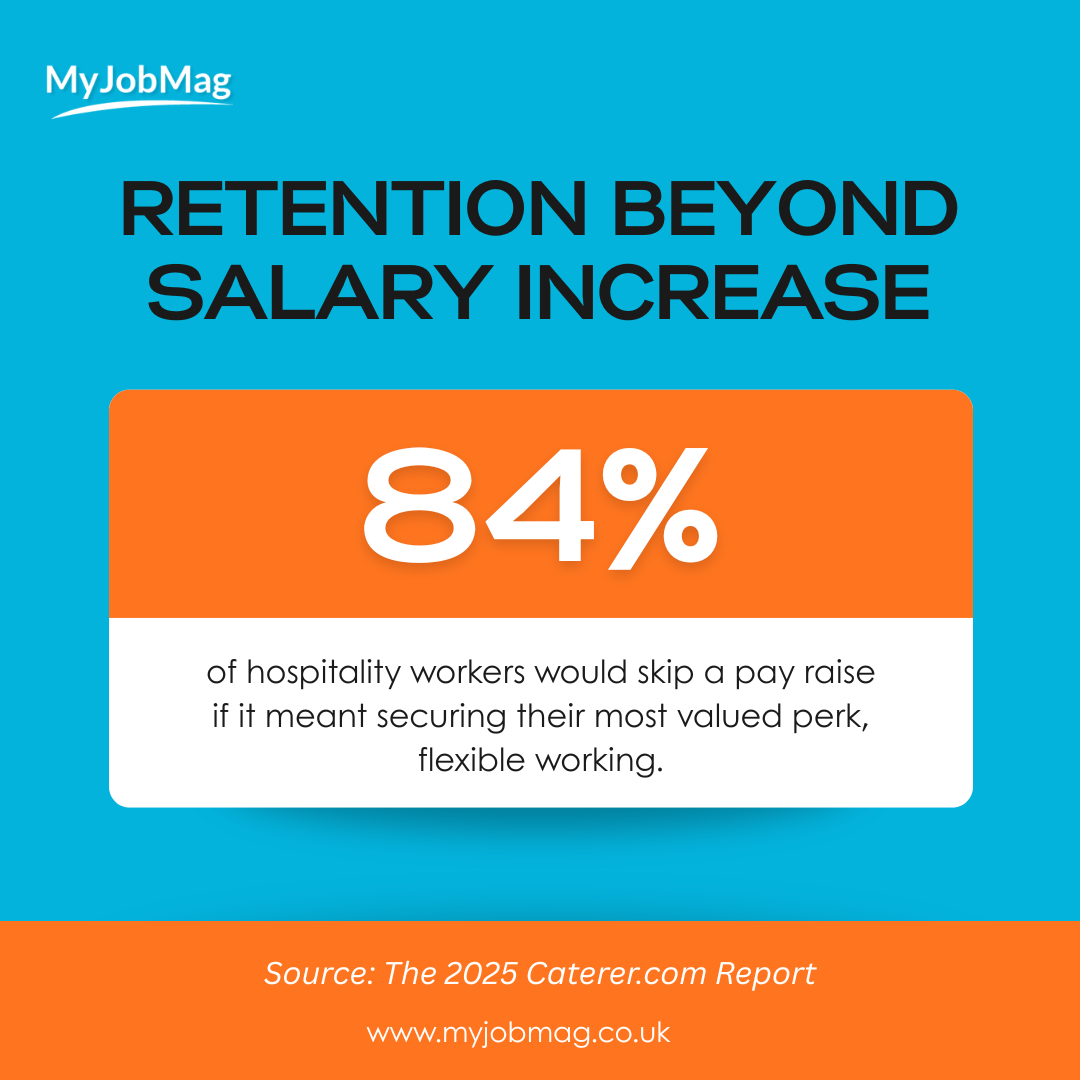
If your business cannot afford to match the top end of the salary band in your city, you must compete on benefits. The 2025 Caterer.com report revealed a striking statistic: 84% of hospitality workers would skip a pay raise if it meant securing their most valued perk, flexible working.
When constructing your total compensation package, consider integrating these practical benefits:
Hospitality salaries in the UK vary significantly by city, driven by cost of living, tourism demand, and local economies. For HR professionals, the key takeaway is clear: There is no “one-size-fits-all” salary strategy in hospitality.
To compete effectively in 2026:
Because in today’s market, the businesses that win are not the ones that pay the most. They are the ones that align pay, flexibility, and culture with what workers actually value.

Hello, we are a team of experienced recruiters and we are happy to help you recruit your next team member.
07985672434
Leave a Comment