
The hospitality industry runs on flexibility. Pubs, restaurants, hotels and event venues thrive on teams who can adjust to peak evenings, weekend shifts, seasonal surges, and last-minute bookings. This means part-time and flexible workers are the backbone of service delivery.
But here’s the hard truth HR professionals in hospitality know all too well: Attraction is only half the battle. Retention of part-time and flexible workers is where the real impact (and cost savings) lies. With annual turnover in hospitality higher than most UK sectors, losing flexible workers isn’t just annoying; it hits your bottom line, service quality, and team morale.
This article provides practical strategies for hospitality HR teams to retain part-time and flexible workers, lower turnover, and build a more reliable workforce.
Before we explore the strategies, it’s important to understand why this matters for hospitality in 2026.
Guest satisfaction depends on consistency. When part-timers rotate too frequently, service quality can dip, even if individuals are capable.
Post-pandemic shifts in work expectations, such as prioritising work-life balance, autonomy and clarity, mean that the traditional “we’ll find someone tomorrow” assumptions are no longer reliable.
Costs from recruitment, training, and lost productivity quickly add up. According to research at Murray State University, the average cost of replacing a staff member can be nearly 150% of that staff member's salary, and this percentage can increase with higher positions.
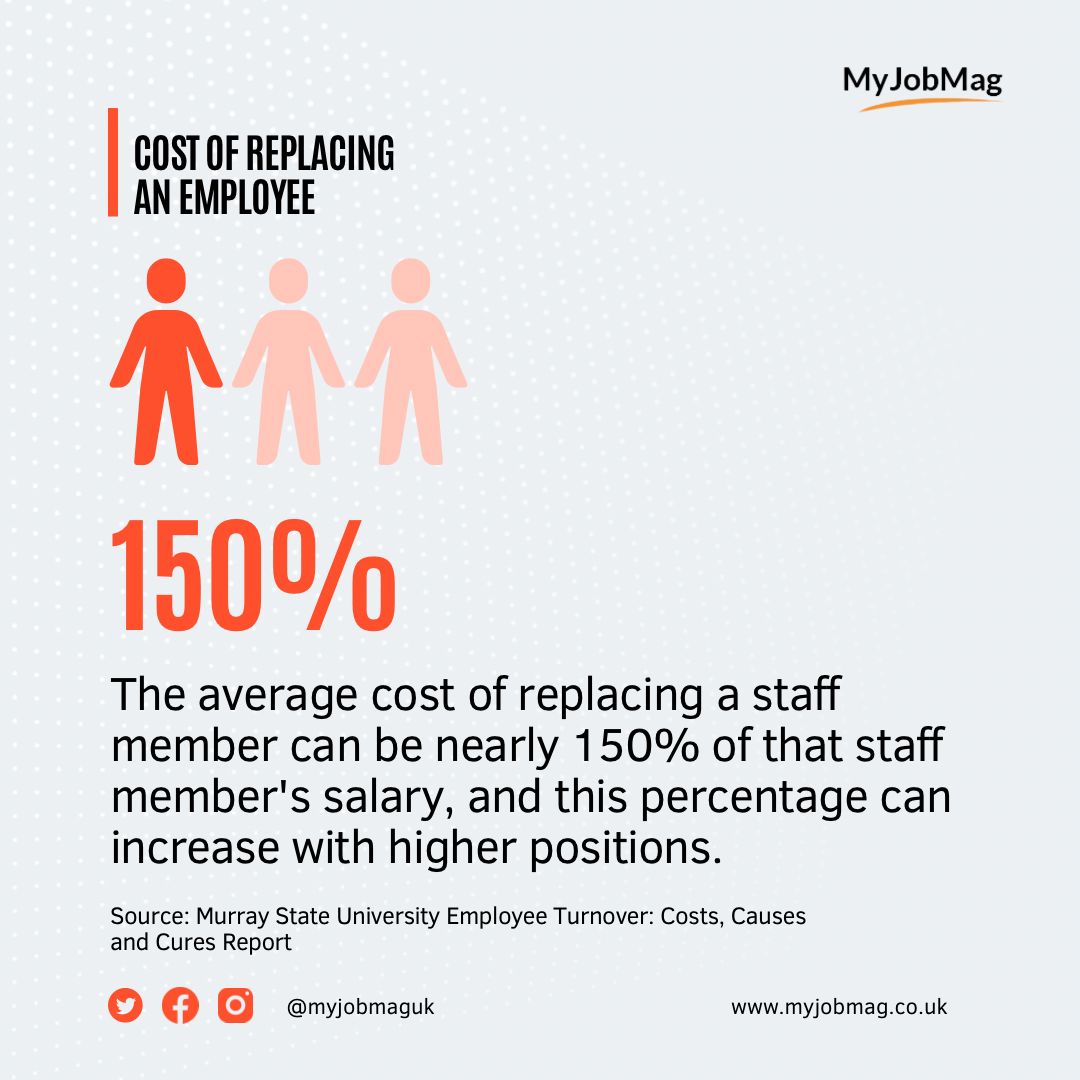
The Cost of Replacing an Employee
Part-time and flexible workers have more opportunities and choices than ever before. To retain them, you need deliberate strategies, not reactionary fixes.
Part-time workers often juggle jobs, study, childcare or commutes. Predictability gives them stability and loyalty.
Practical ideas:
Workers who can plan their weeks are more likely to stick with a role long-term. Lack of predictability is one of the top reasons part-timers look elsewhere.
Competitive pay isn’t just about the hourly rate. It’s about certainty and fairness. Here are the best practices to adopt:
When workers feel pay is fair and clear, they are more engaged and less likely to leave for a marginal increase elsewhere.
Tip: Consider small retention bonuses after milestones (e.g., 3 months, 6 months).
Flexibility is a reason part-time roles exist, but it’s also a key reason people leave when it feels one-sided. Here are some examples of flexible scheduling options:
Hospitality is shift-based work, but scheduling systems that respect worker autonomy significantly improve retention.
Too often, part-time workers are treated like “fill-ins” rather than contributors. Here are three simple connection strategies:
Workers who feel genuinely part of the team stay longer and perform better.
Onboarding isn’t just for full-time staff. It’s where retention begins. Here are some effective onboarding features:
Strong onboarding can significantly reduce early exits.
One of the biggest retention drivers for flexible workers is future opportunity, not necessarily promotions, but visibility of progression. Here are some retention boosters you can adopt:
When workers see a path forward, they stick around longer.
Part-time doesn’t mean part-paid development. Here’s why you should invest in part-timers:
Here are three practical learning and development ideas you can adopt:
Upskilling demonstrates investment in people, not just processes.
Many part-time workers value benefits more than extra pence per hour. Here’s a rundown of some low-cost, high-value benefits:
These perks increase loyalty without significant financial strain on the business.
Annual performance reviews are too slow and distant to catch retention risks early. Some better alternatives are:
Frequent communication signals care and helps identify issues before they become resignations.
Traditional recruitment builds talent pools only when vacancies arise. But retention begins before hiring. Here are some other strategies that can support retention:
When recruitment and retention work together as a process, you avoid knee-jerk hiring that increases churn.
To make these strategies work in real life, you can adopt our simple retention framework:
Audit your current retention rates, rotas, pay competitiveness, communication, and onboarding.
Identify 2–3 quick wins (e.g., advance rotas, transparent pay, onboarding improvements) and longer-term moves (e.g., benefits, progression ladders).
Roll out changes with clear communication and staff involvement.
Track these metrics regularly:
Measure what matters and iterate.
Part-time and flexible workers aren’t cheap to replace, even at hourly rates.
The direct costs of ignoring retention include:
The hidden costs of ignoring retention include:
The hospitality industry relies on part-timers for stability. If they leave quickly, your whole operation feels the squeeze.
Here are common mistakes that worsen retention:
Fixing these makes your retention strategies far more effective.
It's important to understand that you cannot do this alone. Supervisors, managers and even leaders must embrace a retention culture.
Here are some leadership actions that work:
Part-time workers leave people, not places.
Retaining part-time and flexible workers in the UK hospitality industry does not require a magic formula. It requires a fundamental shift in how HR and operational leaders view this demographic. By offering predictable schedules, equal respect, modern communication tools, and clear paths for growth, you transform a transient workforce into a loyal, high-performing team.
The businesses that thrive in the coming years will be the ones that stop trying to fit modern workers into outdated, rigid boxes and instead build systems that flex around the human beings running their operations.

Hello, we are a team of experienced recruiters and we are happy to help you recruit your next team member.
07985672434
Leave a Comment